


If you’ve ever heard the terms EICR, EPC and Gas Safety certificates in relation to property, you may wonder what they are and what they stand for. In short, these are home safety certificates which are legally required by landlords but also very important documents for private homeowners.
What are home safety certificates?
Home safety certificates are documents that confirm that a property meets legal safety standards. The main home safety certificates are an Electrical Installation Condition Report (EICR), an Energy Performance Certificate (EPC) and a Gas Safety certificate.
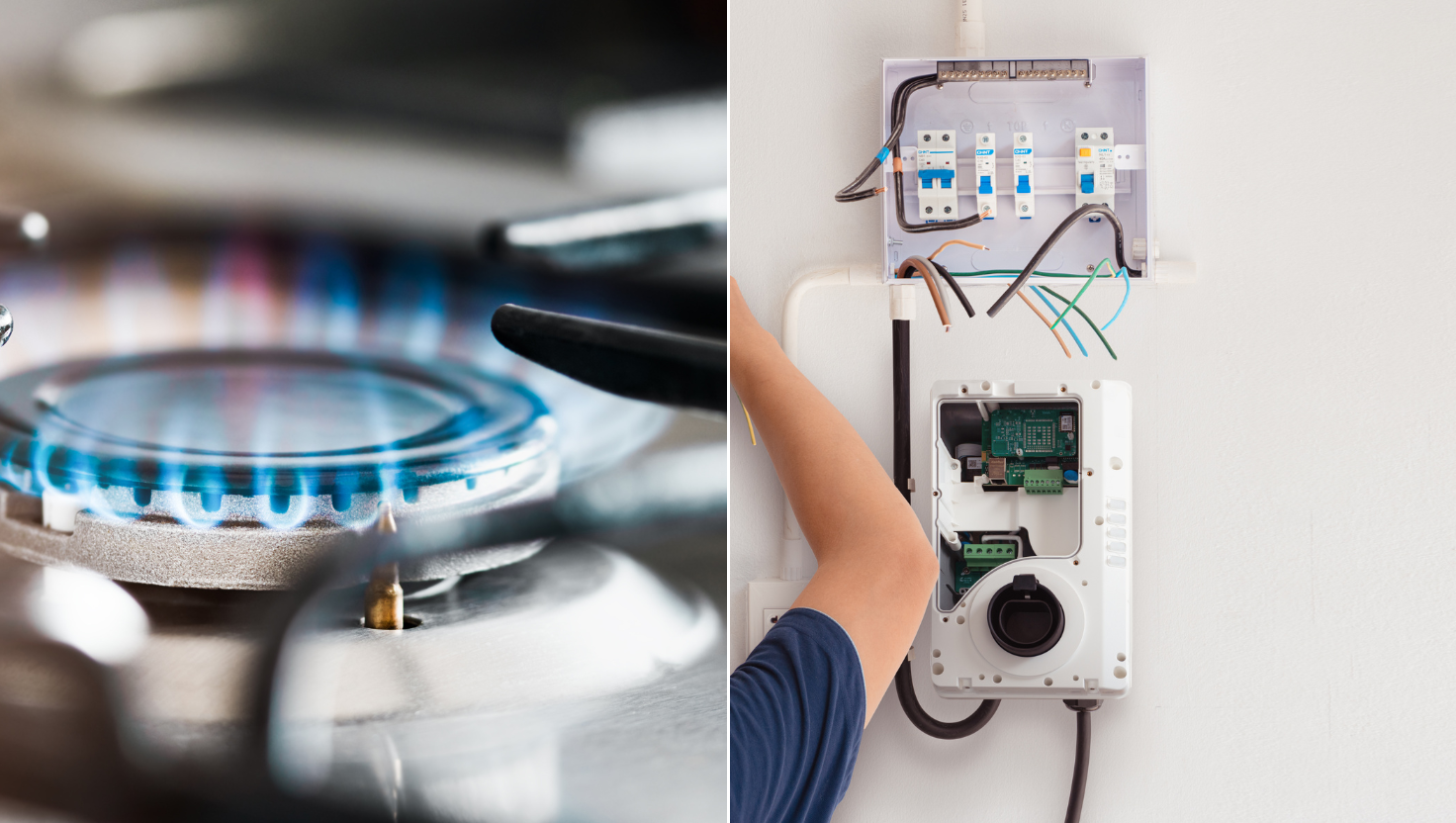
All of them are mandatory for landlords but homeowners may also need them in certain circumstances, particularly when they are selling up.
EICR
An EICR checks a property’s electrical installation which includes the wiring, consumer unit, earthing and bonding, lighting, sockets, switches, fixed electrical equipment, circuit breakers and residual current devices or RCDs.
The EICR must be done every five years in rental properties, by an experienced, qualified electrician. Homeowners are advised to have one done every ten years. The EICR certificate cost is about £120. The report identifies damage, wear and tear, signs of age and makes sure the property’s electrics are safe to use and not a fire or shock risk.
EPC
An EPC rates a home’s energy efficiency. Ratings go from A, which indicates the most efficient, to G, which is the least efficient. The report includes recommendations to increase the energy and environmental performance of the property and also indicates how much these improvements will cost.
It also provides a typical saving per year after the improvements are implemented and shows how the rating might change after the work is done.
The certificate is legally required when building, selling or renting out a property and is valid for ten years. Assessments are done by a qualified home assessor who will produce the certificate for you. When selling a property, the estate agent often does this.
Gas Safety
A Gas Safety certificate, also known as a Landlord Gas Safety Record or CP12, is issued following an inspection by a Gas Safe engineer. It is an official, legal document and a copy of the certificate must be given to tenants within 28 days or, for new tenants, before moving in.
Checks include gas appliances such as cookers, boilers and fires, as well as pipework and flues. The inspections must be done every 12 months and cost around £80 although the number of appliances increases the final cost.
Non-compliance carries a heavy fine of up to £6,000, with unlimited fines in higher courts as well as prison sentences of up to 6 months. Failure to have a Gas Safety certificate also invalidates your building insurance.
Final thoughts
Home safety certificates are important official documents which, as a landlord, keep your property and tenants safe and keep you legally compliant.
As a homeowner, while you may not be required by law to have an electric or gas safety certificate, they do offer peace of mind. And even if you’re not selling up, an EPC is a useful check on the condition of your home’s energy performance.