


A TAMESIDE woman who spent years seeking answers for severe mental health symptoms linked to her menstrual cycle is sharing her story in the hope of raising awareness of Premenstrual Dysphoric Disorder (PMDD).
Jenny Potkins has spoken about her long journey to diagnosis and treatment, saying she wants to help others who may be struggling with hormone-related conditions and to encourage greater understanding of the condition among healthcare professionals and the wider public.
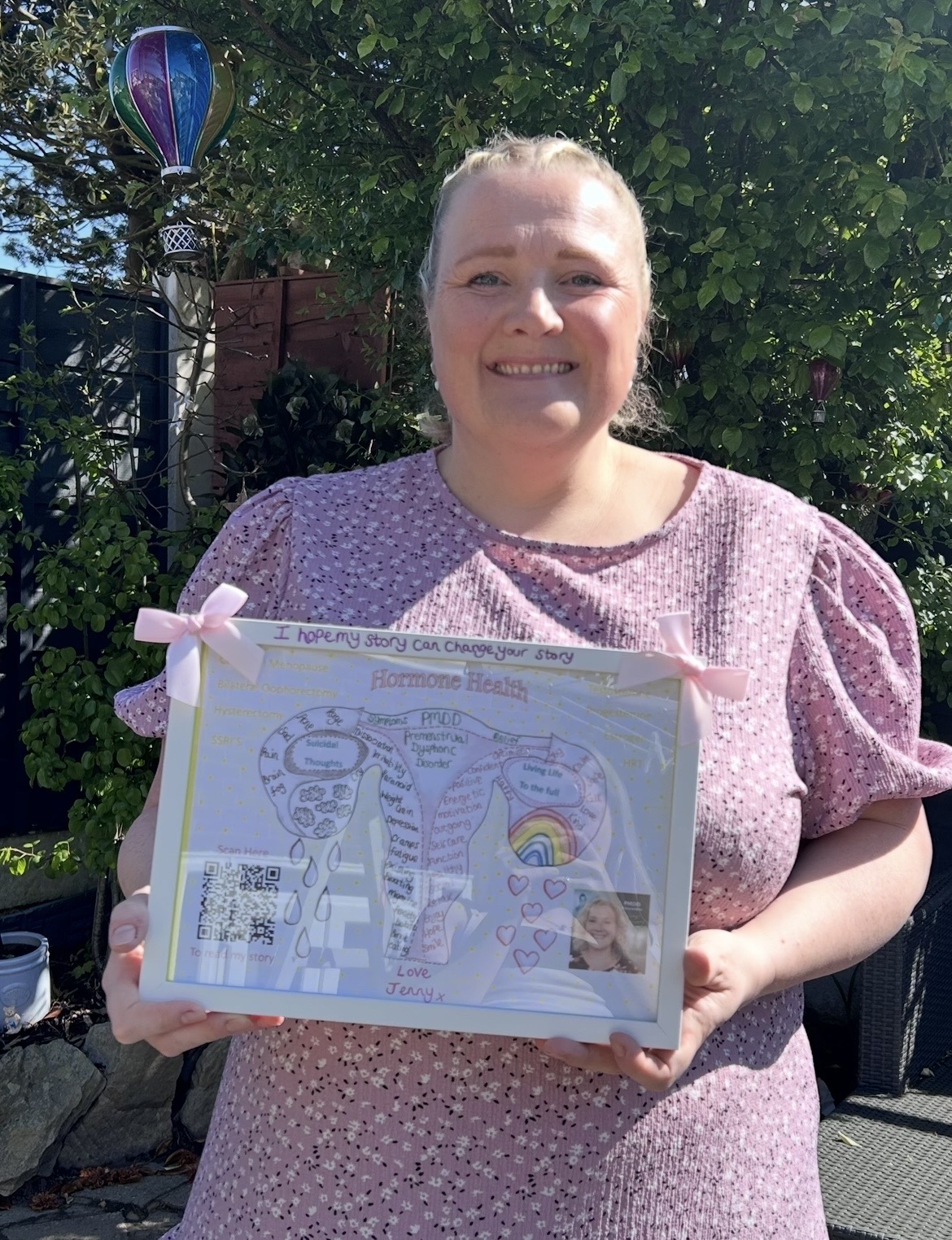
PMDD is a severe hormone-related condition that can affect mental health and wellbeing. Jenny believes more awareness is needed because of the serious impact it can have on those living with it.
And after living with symptoms for many years and facing a lengthy battle to be listened to and receive appropriate treatment, she is spreading her story in a bid to help others.
Jenny said: “My hope is that by sharing my experiences, I might be able to help you or someone you know who is struggling with hormone-related issues.
“The way our bodies respond to hormonal changes can be overwhelming and often misunderstood, and I want people to be more aware of conditions like PMDD.”
“I have struggled with PMDD myself for a very long time and in the beginning had to battle to be listened to, believed, understood, treated correctly and for this condition to be taken seriously.
“PMDD can cause severe suicidal thoughts at its worst, so it is deeply concerning when it’s not taken seriously, misdiagnosed, or dismissed, as this puts women’s lives at risk.”
Jenny’s difficulties began many years ago. Since 2008, she says she sought help from a number of doctors while struggling with depression and trying a range of treatments including antidepressants, the contraceptive pill, cognitive behavioural therapy and exercise.
Despite repeatedly raising concerns about a possible connection between her symptoms and her monthly cycle, she felt hers were not fully recognised.
Eventually, discussions with a specialist nurse and a counsellor led to the possibility of PMDD being identified. Jenny said reading about the condition was a significant moment.
And by the time she was referred to a gynaecologist in 2019, her condition was having a devastating impact on her life.
She added: “When I was finally referred, I had been feeling suicidal for three weeks out of each month-a relentless cycle that only worsened over time.
“It became clear to me that this was taking away my role as a mum from my children, as a daughter from my parents, as a wife from my husband, and ultimately, it was stealing my life from myself.”
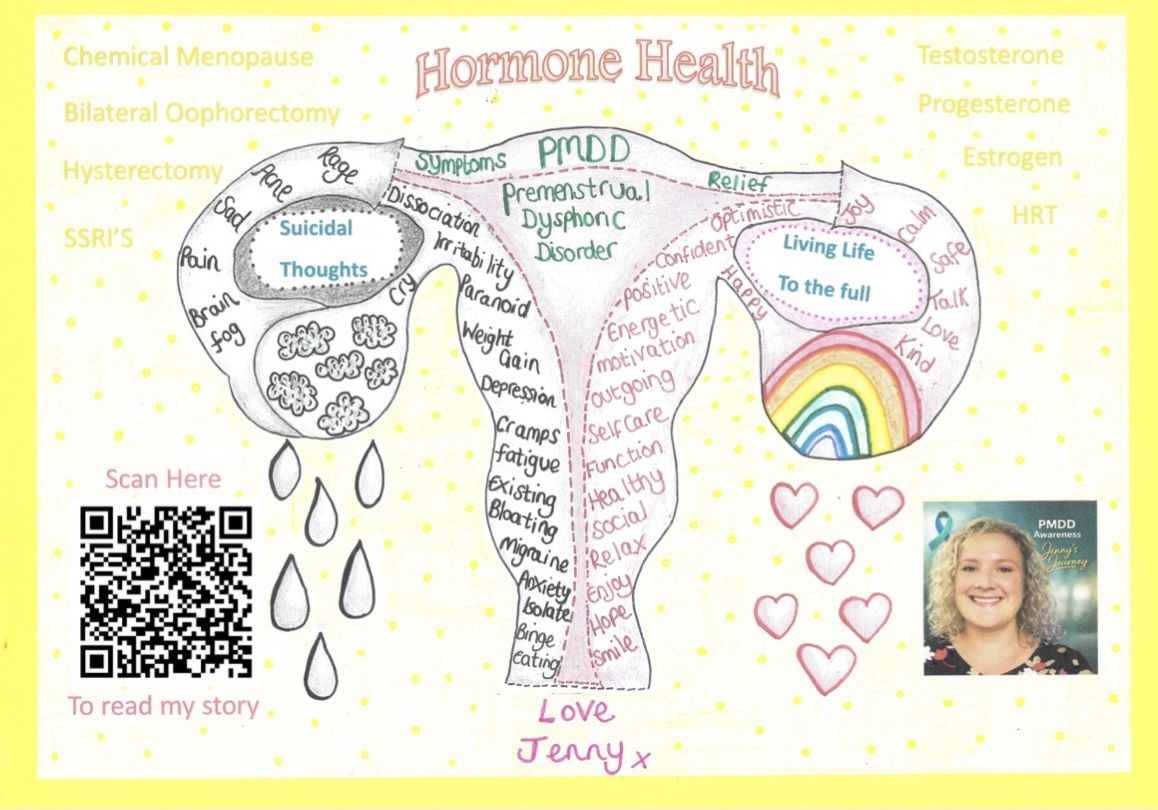
Following treatment to induce a chemical menopause, Jenny experienced a significant improvement in her symptoms.
However, she later faced further challenges, including being diagnosed with Binge Eating Disorder and difficulties while waiting for surgery and specialist treatment.
After reaching what she described as an all-time low, Jenny sought a second opinion from a consultant, who recommended an alternative treatment which she said had a dramatic effect on her wellbeing.
“All I can say is he saved my life,” she explained. “He listened to me, was empathetic of the situation and was open and honest about a way forward.
“I was happy to have go with the suggestion to try Zoladex and almost straight away it mentally changed my life for the better.”
Jenny eventually underwent a hysterectomy in October 2023. While she said the surgery itself was a success, her recovery highlighted further challenges around hormone replacement therapy (HRT) and ongoing support.
Throughout her experience, Jenny said she became increasingly aware of how little understanding there can be about the impact hormones have on physical and mental health.
“I think this shows what a dramatic impact our hormones can have on our bodies both mentally and physically,” she said.
In recent years, Jenny has worked to raise awareness of PMDD and women’s hormonal health. She hopes that by speaking openly about her experiences, others may receive help sooner and avoid some of the difficulties she faced.
“The trauma caused to me mentally and physically every day during this time is unforgivable and I’m hoping by raising some awareness for PMDD I can help other women avoid being treated the way I have been, and this might hopefully save lives.”
Jenny believes there is a need for greater awareness, education and support around PMDD, menopause care and hormone-related conditions: “Something really needs to change, and I hope my story can help with this.”
Jenny hopes her experience will encourage others to seek help and increase understanding of the condition.