


A DUKINFIELD primary school which saw staff go on strike over a ‘culture of violence’ has been told more needs to be done to turn around a damning Ofsted report.
Ravensfield hit the headlines when teachers walked out in January, claiming leadership ignored concern after alleging pupils brought knives to school and threw furniture, as well as “bite, kick, hit and spit at staff”, according to union NASUWT.
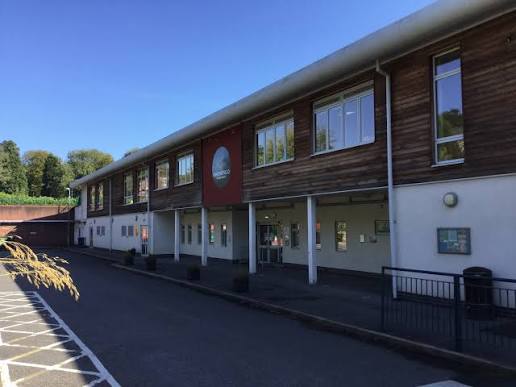
Now inspectors found progress is being made after a monitoring visit followed up a full inspection, which saw the Clarendon Street establishment rank as ‘needs attention’ or ‘urgent improvement’ in all seven areas.
But after focusing on attendance and behaviour, curriculum and teaching, inclusion and leadership and governance, they believe more is required.
And leaders of the school, part of the Changing Lives In Collaboration trust, were again told in no uncertain terms about what is expected.
Inspectors said, among many points: “Leaders must ensure that they rebuild fractured relationships with staff so that pupils’ best interests and their enjoyment of school sit at the heart of school life.
“Leaders must ensure that they raise teachers’ expectations of pupils’ behaviour, wellbeing and academic success so that pupils’ attitudes to learning improve and incidents of low-level behaviour reduce.
“This is so pupils can thrive, achieve well and regain a sense of belonging to their school community.
“Leaders must ensure that teachers have the knowledge and expertise to deliver the curriculum and assess pupils’ learning so that pupils are able to make the most of their time in school, raise their aspirations and achieve as well as they should.
“Trustees and members of the local governing body should work with school leaders and staff to rebuild trust and confidence so that parents and carers can be assured that their children are happy and safe in school.”
Assessments in the area looked at in the June monitoring visit were updated, reflecting what progress had been made.
The report adds: “Leaders have started to put actions in place to improve the many significant areas of concern in the school.
“Relationships with many staff are fractured. However, leaders are working closely with staff to set out clear expectations and repair relationships.
“Parents and carers are concerned about their children’s achievement, wellbeing and safety. There remains a long way to go to show that pupils’ best interests are at the heart of school life.
“Recent changes in leadership are beginning to make a positive difference. Leaders are taking the right action, at the right time, to tackle the deep-rooted weaknesses.
“The new behaviour policy is starting to positively impact pupils’ behaviour. Staff are beginning to feel more supported by leaders when managing pupils’ behaviour. The number of suspensions is starting to reduce.
“That said, low expectations of pupils’ behaviour have become the norm at this school. A few pupils exhibit challenging behaviour, but many more hold lacklustre attitudes to learning. This is because their needs are not met.
“Pupils are allowed to opt out of learning, or they approach it with little enthusiasm. Many do not demonstrate a desire to succeed. This is reflected in the poor-quality work that they produce.
“Recent turbulence at the school has resulted in absence rates increasing. While there is a suitable curriculum in place, in too many instances, its weak delivery means that pupils do not gain the knowledge and skills that they need to succeed.
“Teaching lacks challenge. It is not adapted to meet pupils’ different needs. Some pupils are not stretched.
“Elsewhere, pupils with special educational needs and/or disabilities do not receive the help that they need to overcome the barriers to their academic achievement.
“This is just the start of the journey. No-one is under any illusion that the road to recovery will be easy or swift.”
The Correspondent has approached the Changing Lives In Collaboration trust for comment.