


Tameside had once been the heartbeat of Britain’s industrial revolution. Traditional industries like cotton and mining boomed. Yet after the war, they were growing smaller as a new post-industrial era dawned. During the sixties, the post-war slump began to lift somewhat, and Tameside began to change into the area we know today.

The Lay of the Land
Tameside has always been a region of contrasts. It borders national parks and is crisscrossed with waterways, which are woven amongst housing and industrial areas. In the sixties, slum clearances began, tearing out old housing that was no longer fit for purpose or had been destroyed by war. Many of the old factories and mills, no longer of any use in a deindustrialised society, shared the same fate.
The architect Le Corbusier once noted that “A house is a machine for living”, and this modernist notion swept building projects across the area. The Hattersley Overspill Estate was an example of this, where people from nearby Gorton were rehoused in modern council housing. In town centres, concepts like Ashton Under Lyne’s Ladysmith Shopping Centre began to appear, which focused on modern shopping and retail culture. 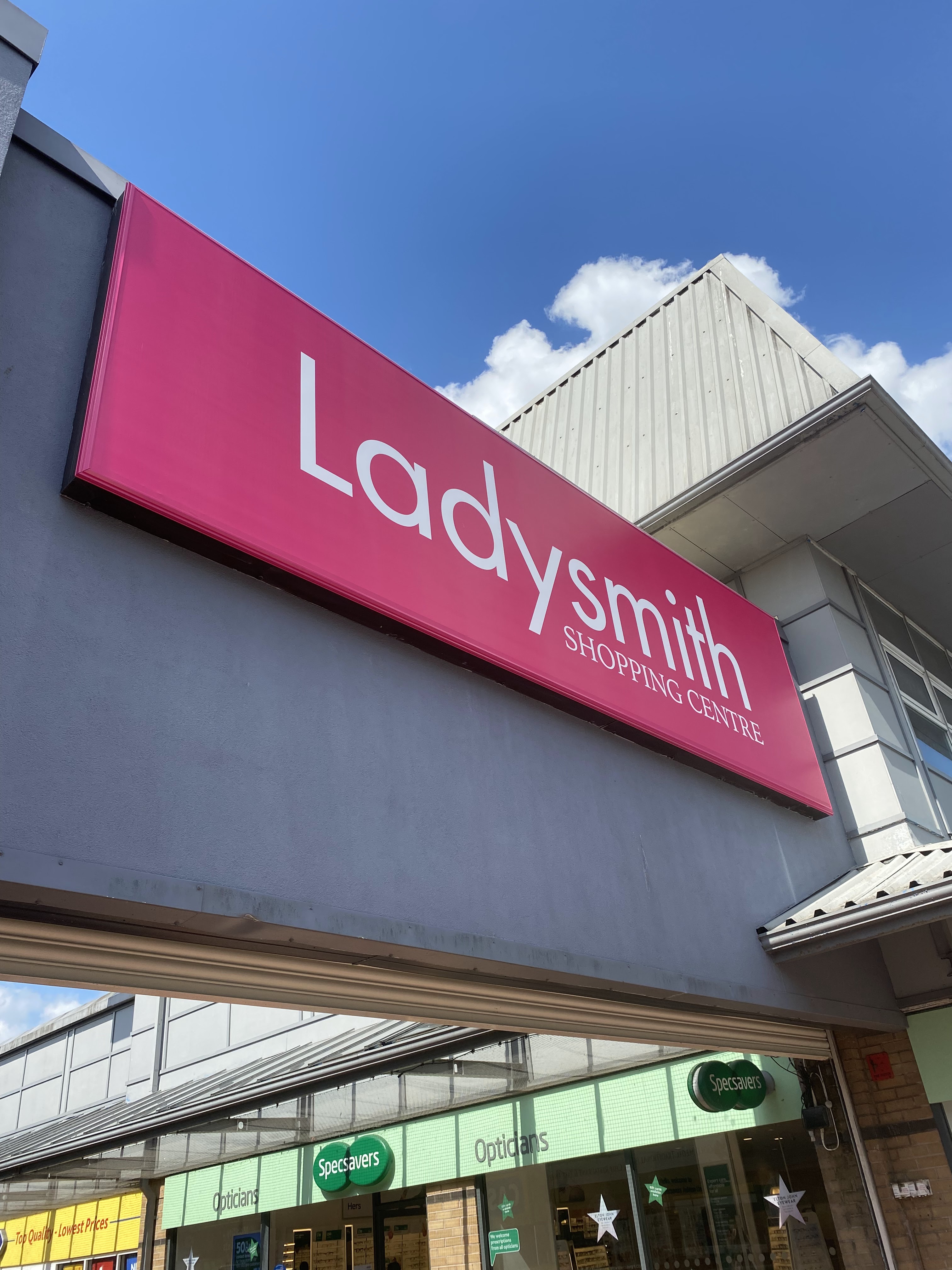
New Entertainment Trends
Entertainment also began to change during the decade. As people began to acquire television sets, theatres and picture houses faced a decline in footfall. The golden age of cinema was over, leaving many of Tameside’s grand art deco buildings searching for a new purpose.
Luckily, popular music was just in its glorious infancy. This meant live music filled them, and the new craze of bingo meant they could be used in the daytime. Today, these games are primarily played on devices, where people use bonus bingo to access games for entertainment. This has not dimmed passion for these halls, but has introduced a whole new generation to the game.
This desire for entertainment outside the confines of a mobile device is what is spurring the regeneration of buildings like Tameside Hippodrome today. A perfect example of a 190o era building, this theatre in Ashton-under-Lyne is currently seeking plans to enter into community ownership.
The Switch to a Cosmopolitan North West
In the post-war period, many people from Britain’s declining empire, reaching the far-flung corners of the globe, were invited to the UK. Helping rebuild the shattered country, they settled in places such as Tameside. In this period, it was very different to today, and the global foods, clothing and halls of religion that are now easy to spot in Greater Manchester were not there.
Luckily, many of the stories of this time and the people who came to settle here have been preserved. The Greater Manchester Sound Archives contains many, and there is a specific Tameside Oral History Project (TOHP) that has translations from Gujarati. The latter is available on Soundcloud.
Tameside is once again changing. As prices rise and a shift to a global digital culture is taking place, it is redefining itself. Yet its rich history will always remain and provide a bedrock on which to progress.