


ROADS, pavements and other issues on Tameside’s highways are set to be tackled after a £45 million investment over five years was approved.
Under the plan by the borough’s council, infrastructure will be maintained and improved.
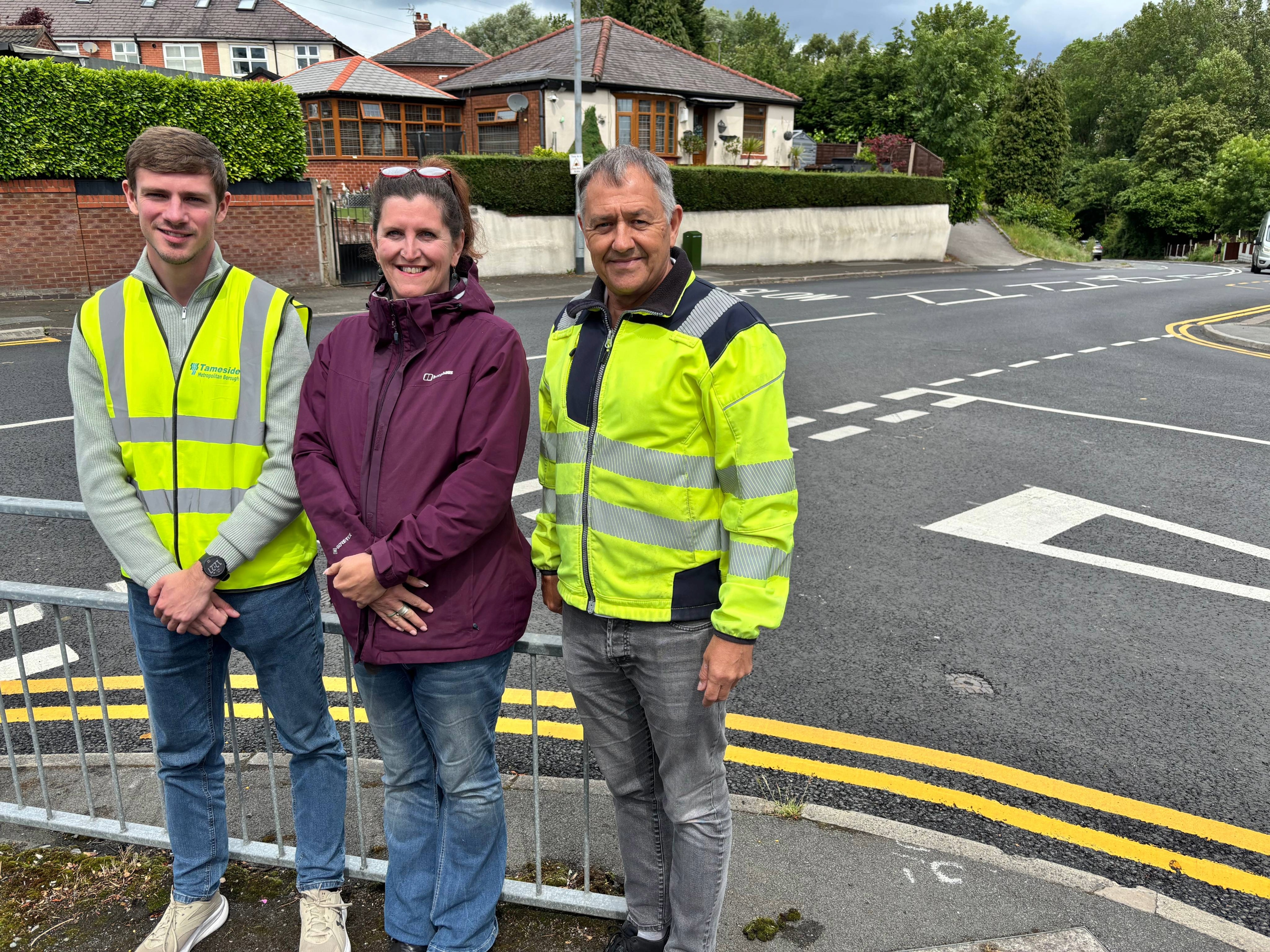
Issues literally lie under our feet and are mentioned every time a local election comes along.
Now under the scheme, roads and pavements, bridges and retaining walls, drainage, including gullies and culverts and street lighting will be looked at.
The money will mainly be used for proactive maintenance and improvement works, helping to reduce the need for emergency repairs such as potholes and making more efficient use of public money.
Tameside’s highway network includes 707 kilometres of roads, 1,530 kilometres of footways, almost 49,000 highway gullies and more than 25,600 streetlights, making it the council’s most valuable asset.
In recent years, worsening conditions have increased the need for reactive repairs, with those for potholes rising by more than 15 per cent since 2021.
But by investing in maintenance, the council aims to reduce future disruption, improve safety and extend the life of local highways.
Modelling has shown this £45 million investment could help avoid about £130 million in future repair costs over the next 10 years, by dealing with problems earlier.
The plan also supports walking, cycling and public transport by improving the condition of the network, while providing greater transparency about how funding decisions are made.
Work programmes will be developed using condition data and local knowledge, with a focus on coordinating works where possible to minimise disruption to communities.
And Cllr Laura Boyle, Tameside Council’s executive member for environmental services and neighbourhoods, said: “Our roads, pavements and street lighting are used by residents every day and keeping them safe and reliable is a key priority for the council.
“This investment allows us to move away from short-term fixes and focus on long‑term improvements that reduce disruption, make better use of limited resources and protect the network for the future.
“These works will also benefit local people by supporting jobs and businesses, creating training and apprenticeship opportunities and investing back into our communities.”