


A CONTENTIOUS area of land in Mossley wanted to be used for a multi-billion pound railway scheme will be reduced.
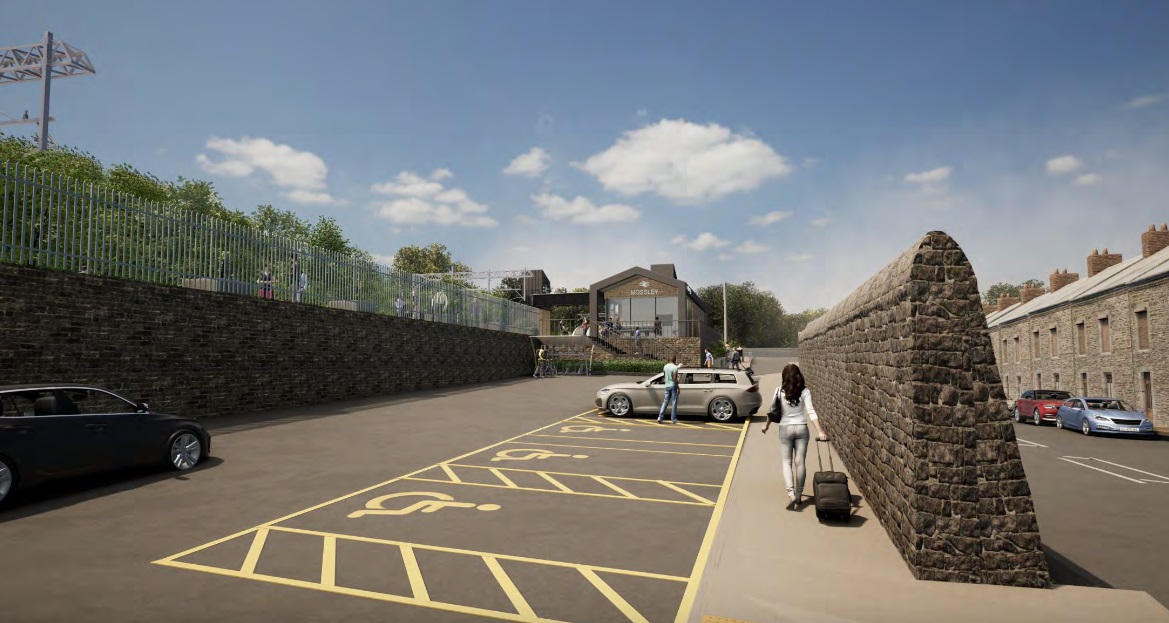
The town’s railway station will be moved as part of the TransPennine Route Upgrade (TRU).
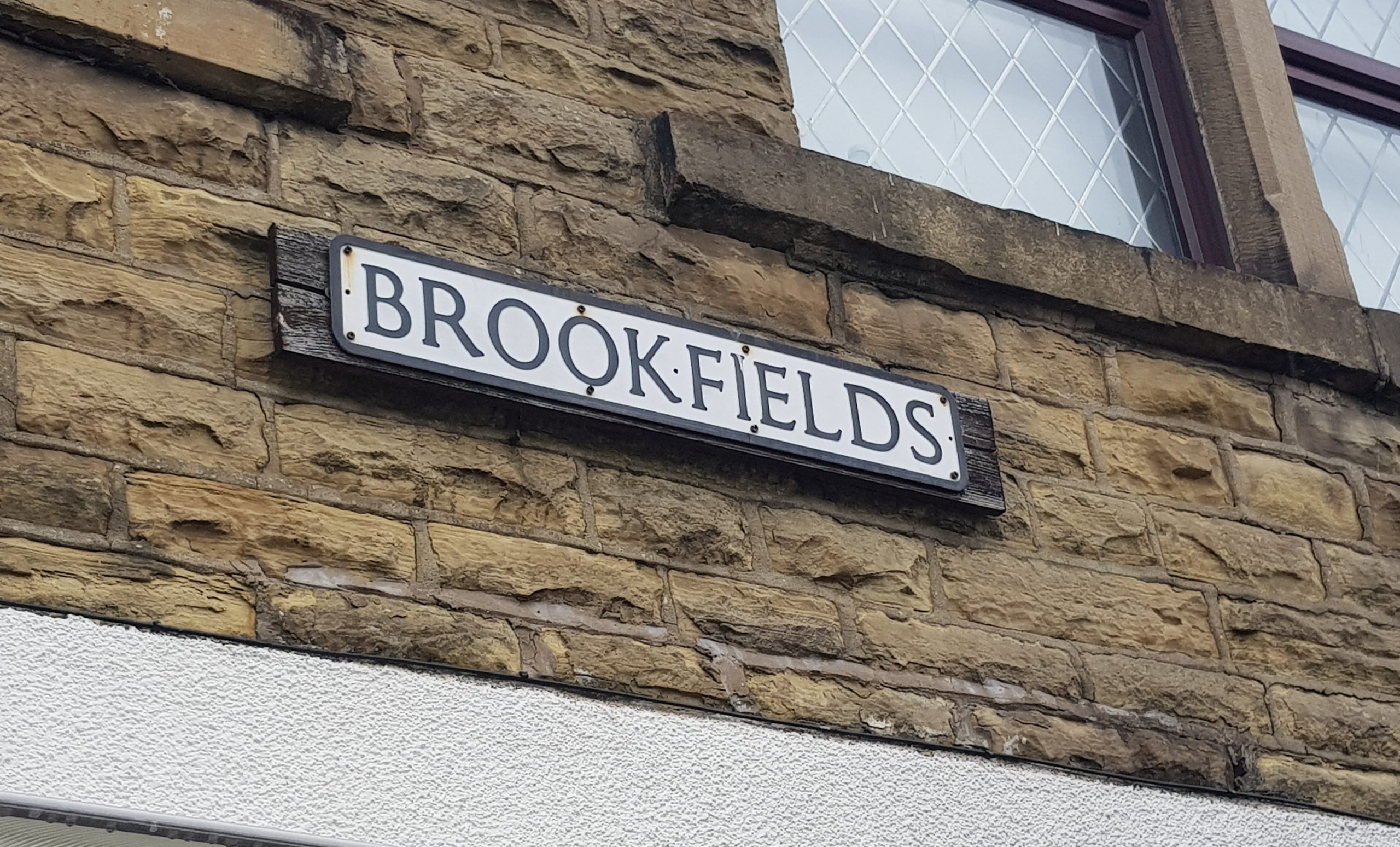
But plans of using an area of Brookfields for construction vehicles has sparked fears it will open it up for future development.
Proposals to build houses on the land, which lies on the other side of the track from Manchester Road, have been repeatedly opposed and defeated.
Now day one of a public inquiry into the stretch between Stalybridge and Diggle has been told bosses have slashed the amount of space they would require.
TRU will see 76 miles between Manchester and York electrified, with Mossley station moved roughly 300 metres down Manchester Road.
The current facility, at the junction of Manchester Road and Stamford Road, has been deemed too tricky and costly to make fully accessible on both platforms.
Mossley station’s current building, which is listed, will remain and will be repurposed, possibly for community use.
The existing car park is also set to stay and may be extended to the new building, which is needed to accommodate longer trains and make both sides accessible – it will also have a toilet, which the current one does not.
A stretch known as Mossley Cottages, behind properties on Manchester Road close to the station as it is now, will not see gantries hammered in because of their proximity.
It will be a ‘neutral section’ meaning essentially, trains will coast from the last one, just before the buildings start, to the new station and the tack will be moved slightly away from the homes, businesses and pub.
Several bridges and tunnels will also see work and the inquiry into a proposed transport and works act order (TWAO), at Uppermill Civic Hall, was told how a level crossing at Stockport Road will be closed.
Several local objectors are lined up to speak at the hearing, which is scheduled to hear four weeks’ worth of evidence.
Among them, Cllr Dave Jones, chair of Mossley Town Council will tell the inquiry in the case of the construction access: “The unique geography and situation make it one of the most risky and dangerous places in Mossley, and as thus it gives rise to the constant monitoring of concern and worry.
“This is a watershed piece of land in terms of overdevelopment in the town, and we will not yield to this new attempt which ignores our serious and legitimate concerns.
“There is no reason, no reason at all in fact, why all necessary work could not be accessed from the Manchester Road side of the railway track.”
Mark Ashton, the Stalybridge-based sponsor of the Stalybridge to Diggle stretch of the TRU, tod the inquiry on Tuesday, June 9, how the scheme will deliver faster and more environmentally friendly trains.
He also cited economic benefits, employment opportunities and reduced operating and maintenance costs.
Mr Ashton said: “As a sponsor, and as a resident local to the Stalybridge to Diggle corridor, I bring a personal understanding to the communities that this scheme serves.
“This proximity gives me a strong interest in ensuring that the scheme is delivered successfully, not only in terms of the strategic objectives, but also in terms of the experience of people living alongside it.
“The Stalybridge to Diggle section is characterised by a number of long-standing constraints relating to capacity, reliability and modernisation that are common to the whole TransPennine route.
“Currently, it is operating at speeds between 50 and 65 miles an hour, which are not sufficient to significantly contribute to improvements in journey times that are required to support delivery, reliability, and benefits.
“Stockport Road and Moorgate Halt level crossings introduce inherent safety risks, including known incidents and the potential for conflict between trains and users along the public rights of way.
“These risks will be further increased by the introduction of faster, more frequent train services associated with the TransPennine route upgrade.
“The order addresses this directly by permanently removing these and replacing them with safer alternative routes, thereby eliminating the risk at source.”
Almost seven miles of track between Stalybridge and Diggle – and the impact on transport around it – is being looked at in the inquiry, which is set to hear four weeks’ worth of evidence at Uppermill Civic Hall.
And Richard Turney KC, leading Network Rail’s case, spelled out why it is necessary.
He said: “The challenging Pennine landscape has meant that relatively few alterations have been carried out since it was built. In general terms, it remains largely as it was built in the 19th century – a non-electrified, mostly two-track railway.
“While other parts of the country have seen significant investment in railway improvements, the TransPennine Route has been left behind.
“If the line cannot cope now, it will not be able to cope with increased demand in the future. The need for improvement is acute.
“What could be a vital freight artery significantly underperforms against its potential, putting more HGVs onto a congested trans-Pennine road network.
“The scheme will help secure a TransPennine Railway which is fit for purpose, and contributes to growth, rather than holding the region back.”
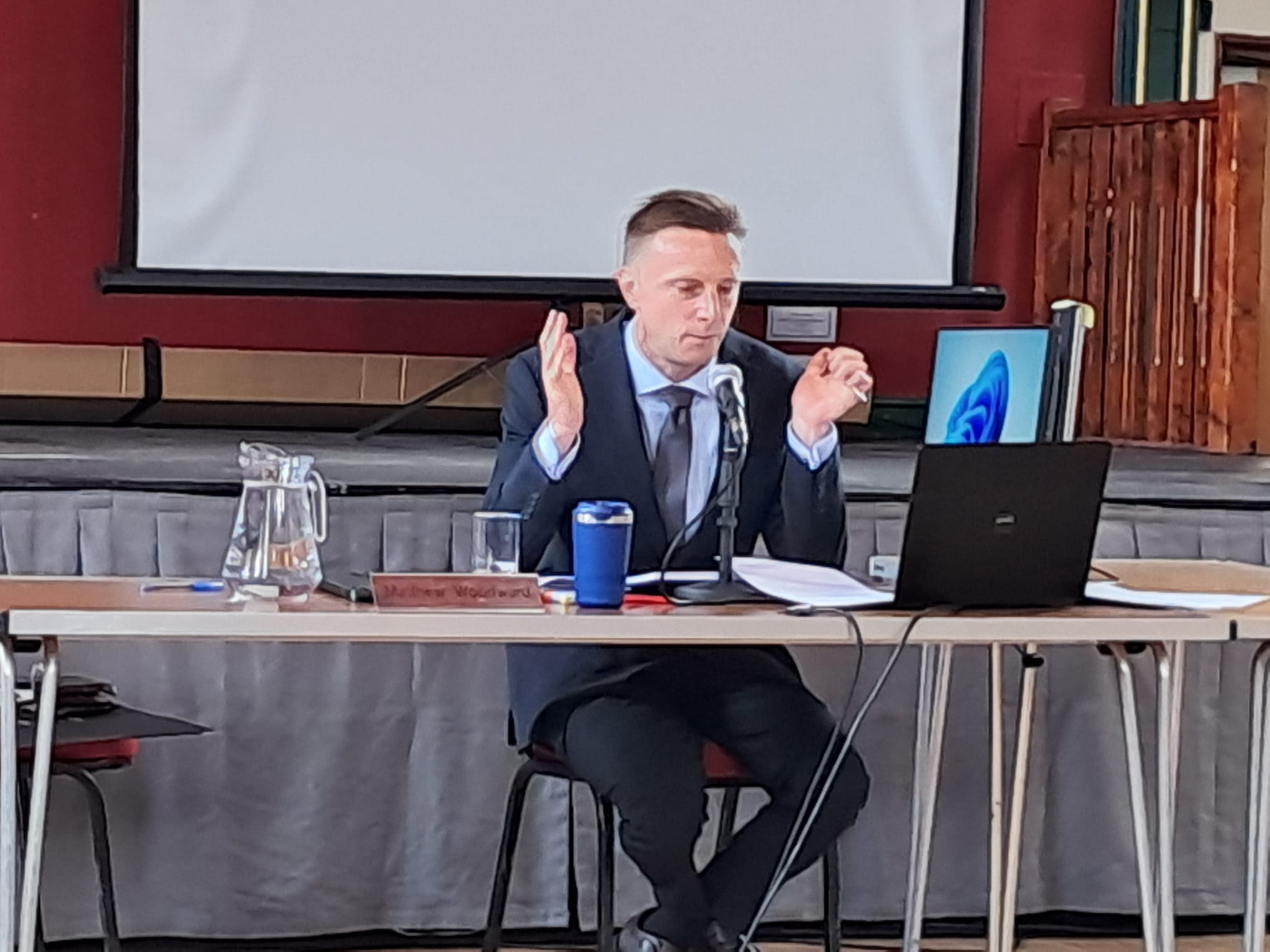
The inquiry, chaired by Andrew Woodward, continues.