


WHEN 24-year-old Summer Clarke collapsed with agonising head pain in May 2023, she had no idea her life was about to change forever.
Fit, active, and working as a British Airways flight attendant, she was suddenly fighting for survival.
Rushed to Tameside Hospital’s emergency department, doctors discovered she had suffered a spontaneous brain haemorrhage – a life-threatening stroke that left her on the brink.
She was transferred to Salford Royal Hospital, where swelling on her brain forced doctors to place her in an induced coma. Her family were warned she might have just 48 hours to live.

Against every expectation, Summer made it through.
What followed were some of the toughest months of her life: six months in intensive care, followed by five months at the Floyd Rehabilitation Unit in Rochdale. When she eventually woke, she couldn’t speak – but, incredibly, she found she could sing along to her favourite songs.
From there began a slow, gritty climb back towards independence: learning to walk again, learning to talk again, learning how to navigate a world that no longer felt familiar.
Now, almost three years on, Summer has made an emotional return to the place where her ordeal began – not as a patient, but as a volunteer determined to help others fighting the same battle she once faced.
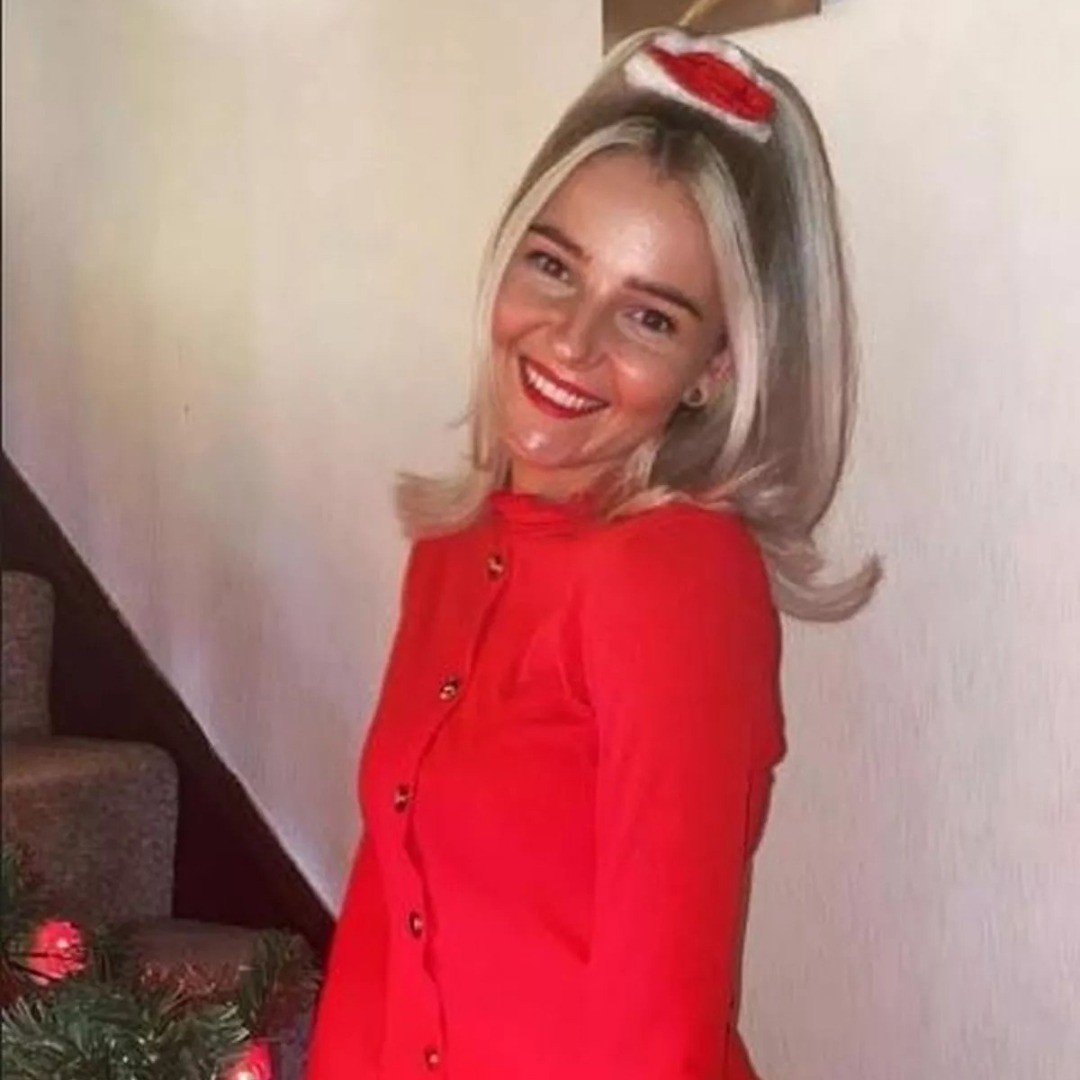
‘I have really good insight into what it’s like’
Speaking about her decision to volunteer on the stroke ward at the Ashton-based hospital run by Tameside and Glossop Integrated Care NHS Foundation Trust, Summer says she wants to be the reassuring presence she once longed for.
“When I was in hospital, in between therapy there was no one else there who completely understood what I was going through,” she says. “I spent six months in hospital and another five in rehab, so I have really good insight into what it’s like.
“I wanted to volunteer on the stroke ward and help patients struggling with the same issues, like problems with cognition, movement or vision.”
Summer also volunteers with the Stroke Association and often shows patients early video footage from her recovery – a reminder that progress is possible even when it feels painfully slow.
“I had to learn everything again, and I still have some cognition problems, but I’m making progress every day,” she said.
Summer’s story has already begun inspiring others on their own road to recovery. Her presence on the ward offers something doctors and therapists simply can’t, which is lived experience.
For patients who wake up frightened, confused, and unsure of what the future holds, Summer is living proof that futures can be rebuilt – even from the darkest of places.
The hospital is currently seeking more volunteers willing to support patients through companionship and conversation – a role that can make a meaningful difference to someone’s wellbeing during a difficult stay in hospital.
Anyone aged 16 or over who can offer at least four hours a week for four months is invited to apply via the Trust’s website here.