


A Tameside mum whose baby son needed lifesaving surgery after weeks of being repeatedly sick says his experience has helped drive changes to children’s care at Tameside Hospital.
Abby’s son Kingsley was just a baby when she became increasingly concerned about his health.
He was repeatedly being sick after his feeds, but despite repeatedly asking for help, Abby says she felt reassured that there was nothing seriously wrong.
As his mum, however, she remained convinced that something was not right.
Eventually, Abby took Kingsley to another hospital, where doctors quickly recognised that he was seriously unwell.
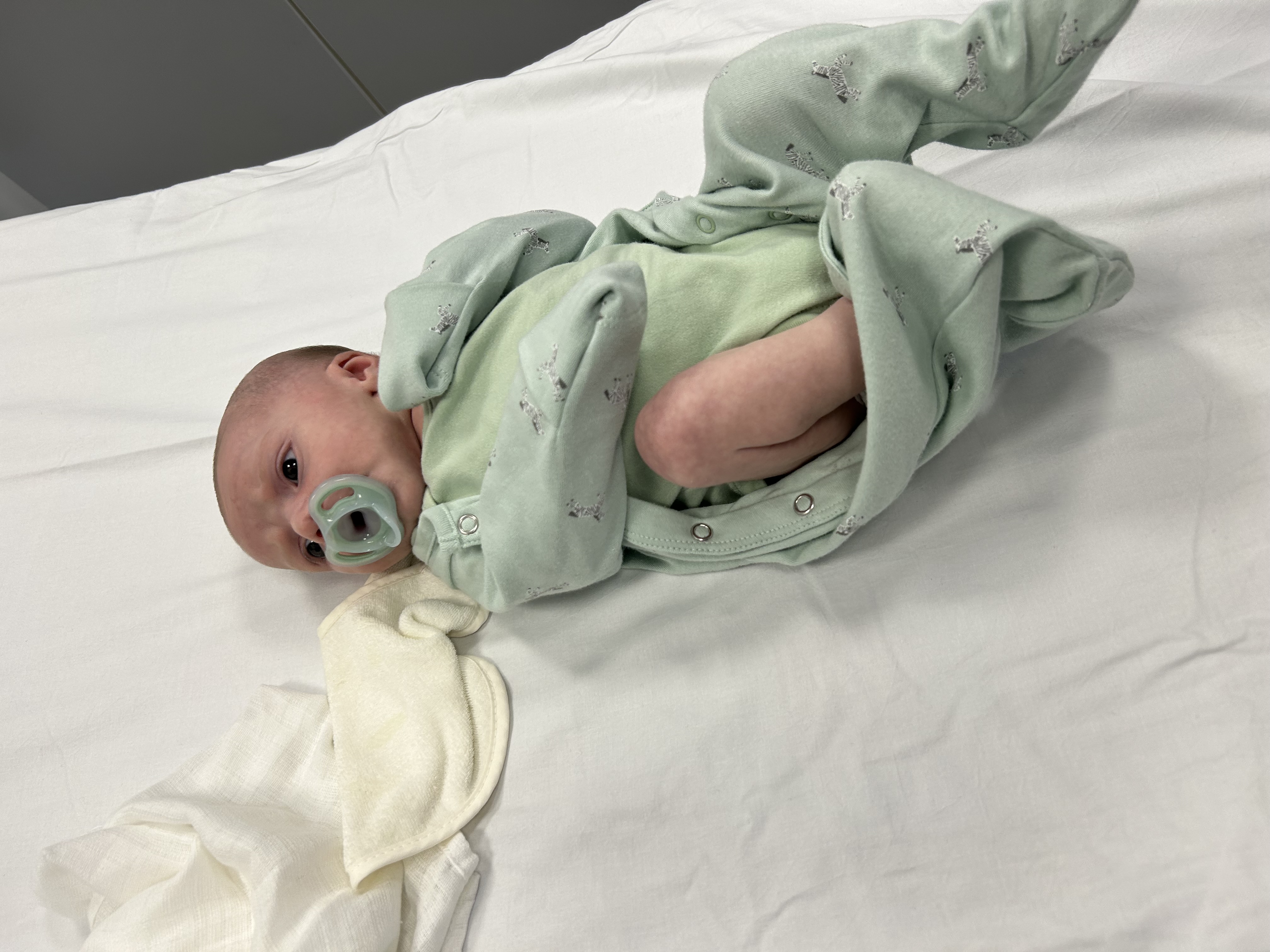
He was diagnosed with pyloric stenosis – a condition affecting babies which can cause severe vomiting – and needed lifesaving surgery.
For Abby, seeing her tiny son undergo surgery was terrifying.
But after Kingsley came home from hospital, she decided she wanted to use what had happened to help other families.
She began raising concerns about the importance of listening to parents when they believe something is wrong with their child, as well as ensuring families receive clear advice about what to do if their child’s condition deteriorates.
Now, three years after Kingsley came home following his surgery, Abby says his experience has contributed to a number of changes and improvement projects at Tameside Hospital.
Among the changes is the introduction of a virtual ward, developed in collaboration with the children’s community nursing team.
The service allows children in similar circumstances to continue receiving nursing care and clinical supervision at home after being discharged from hospital.
A service improvement project has also looked at open-access provision for paediatric patients, including a review of the criteria and the introduction of a new open-access protocol.
The Trust has also developed a learning document to reinforce the importance of giving children, parents and carers clear and unambiguous safety-netting advice when they leave hospital.
An audit is also being carried out into the safety-netting advice being provided, with the aim of identifying how it can be standardised.
For Abby, the changes are a direct example of how speaking up about her family’s experience can lead to improvements for others.
She said she kept thinking about other parents who might find themselves in a similar position.
“What if another mum knew something wasn’t right but was made to feel like she was worrying unnecessarily?” Abby said.
“What if another baby could be made safer simply by listening to their parents and making sure they were given the right advice?”
Abby said she wanted Kingsley’s experience to “mean something”.
She added: “I wanted other parents to be listened to. I wanted other babies to be safer.”
And her campaign is continuing.
On the third anniversary of the day Kingsley came home from hospital, Abby held another important meeting with the NHS to discuss how his story could be used to drive further improvements.
She says further developments are now underway which could potentially see the learning from Kingsley’s experience reach many more families.
Abby has been told the work being discussed could have a much wider impact than she originally imagined.
When she first began speaking out about what happened to her son, she never expected it to result in changes to NHS services.
But three years on, she says Kingsley’s story is continuing to make a difference.
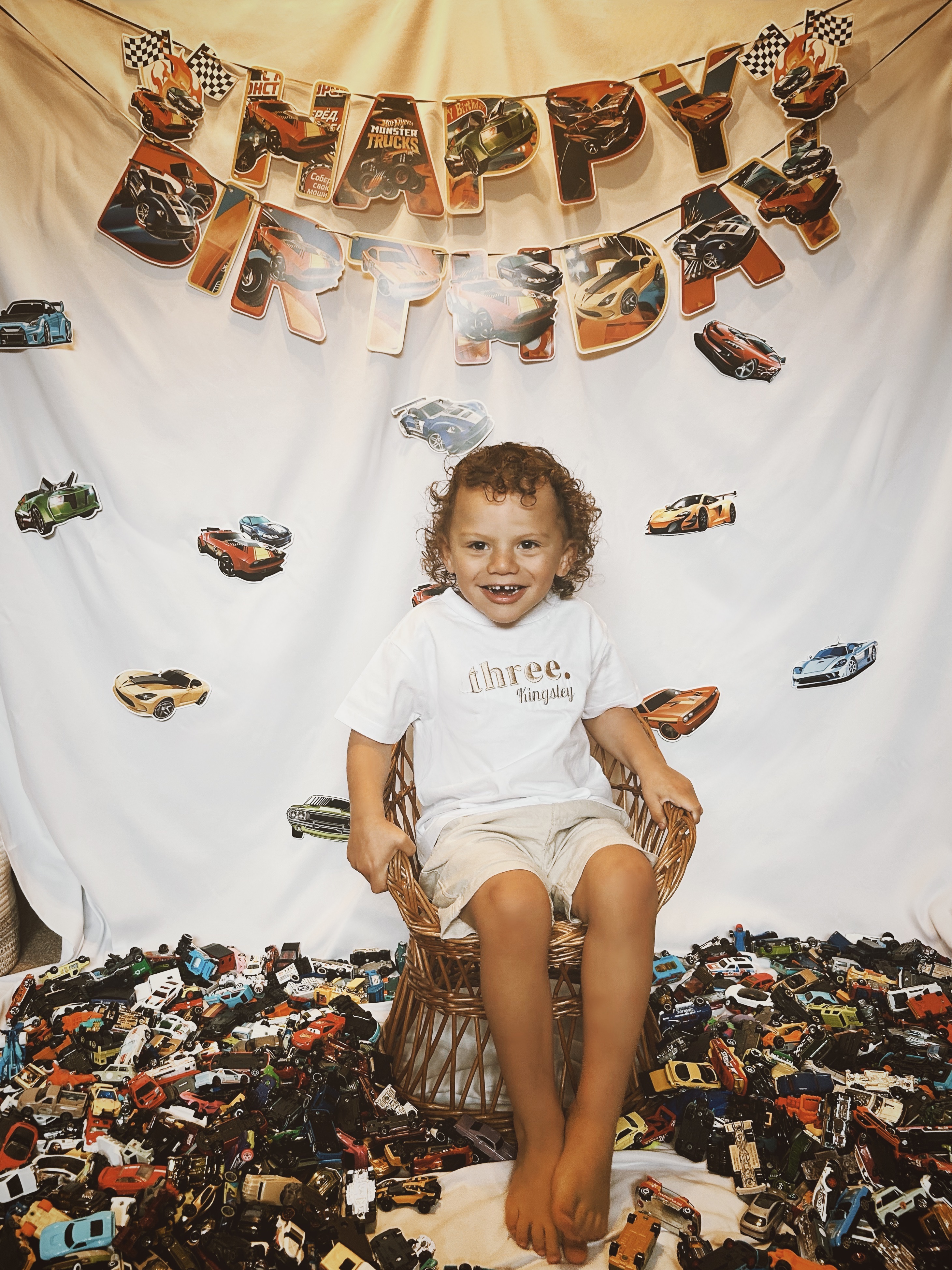
Now a happy and healthy three-year-old, Kingsley has grown up after overcoming the terrifying ordeal.
For Abby, though, the memory of her tiny baby coming home after lifesaving surgery remains — along with the determination to make sure other parents are heard when they know something is wrong.
She said: “When I first started speaking up about what happened to Kingsley, I never imagined that his experience could lead to changes that might help other children and families.
“Three years on, his story is still making a difference.”