


Almost all premature babies born at Tameside Hospital are now receiving the vital first breast milk known as colostrum within two days of birth, thanks to an award-nominated improvement project.
The initiative, led by Tameside & Glossop Integrated Care NHS Foundation Trust’s Integrated Infant Feeding team, has seen the number of babies born before 34 weeks’ gestation receiving colostrum within 48 hours more than double.
Between August 2025 and January 2026, 96 per cent of babies born at less than 34 weeks received colostrum within two days of birth, compared with a baseline of 47 per cent in June 2025.
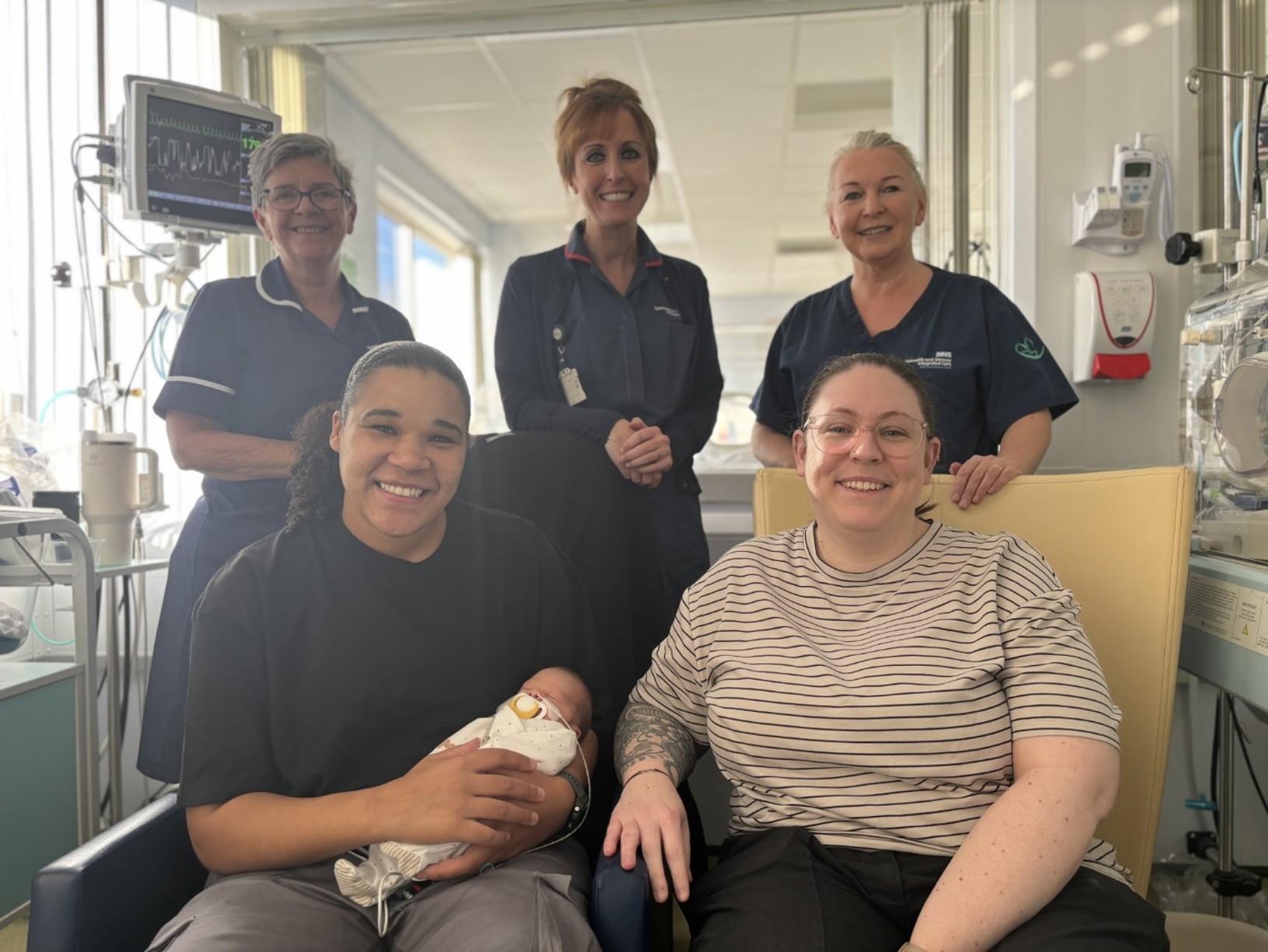
Often described as “liquid gold” because of its rich yellow colour and high concentration of infection-fighting immune cells, colostrum is the first milk produced by mothers during pregnancy. It plays a particularly important role for premature babies, who are more vulnerable to serious infections.
National health leaders say giving newborns colostrum as early as possible supports early bonding and improves the chances of successful breastfeeding in the longer term. Breastfeeding rates in Tameside at six to eight weeks after birth remain below the national average.
To improve outcomes, the Trust introduced a series of simple but effective measures, including reminders for maternity staff, specialist breastfeeding training for neonatal staff and additional support for expectant parents attending pre-term and diabetic clinics.
The team has also partnered with Greater Manchester Blood Bikes, whose volunteer riders now transport harvested colostrum to specialist hospitals when critically ill babies need to be transferred before their mothers are well enough to travel.
The service ensures vulnerable newborns can still receive their mother’s first milk without delay.
Among those to benefit were Nicola and Jenna, whose son Ziggy was expected to arrive prematurely after complications during pregnancy.
Although they had not originally planned to breastfeed, they said early support from the infant feeding team gave them the confidence to collect colostrum before the birth and continue expressing breast milk afterwards.
Nicola said: “During a midwife appointment, we were also able to speak to the early infant feeding team. Receiving the information early meant we weren’t overwhelmed.
“When Ziggy was born the nurses made sure skin-to-skin contact was offered as soon as possible and we were given guidance on colostrum harvesting. We believe that all this made a huge difference and has contributed to Ziggy thriving and needing minimal respiratory support during his time in NICU.”
Fiona Munro-Muotune, Clinical and Strategic Lead for Infant Feeding and Baby Friendly Initiative Accreditation at the Trust, said: “We wanted it to be a cultural shift, not just a compliance exercise.
“We’re seeing more mums coming in with harvested colostrum and parents seem to be more aware of it.
“The long-term aim is to expand the project beyond pre-term babies. We want to make sure all breastfeeding mothers are supported to express within two hours of birth and all babies, regardless of gestation, receive colostrum within 24 hours.”
The project’s success has also been recognised nationally. It has been shortlisted in the Maternity, Midwifery and Neonatal Safety Initiative of the Year category at the 2026 HSJ Patient Safety Awards, with the winners due to be announced on September 28.