


Organising major family trips doesn’t need to spiral into chaos with proper advance preparation. According to Hilton’s 2025 Trends Report, 60% of UK travellers actively choose holidays based on their children’s needs and interests, whilst 58% plan itineraries around what their children love.
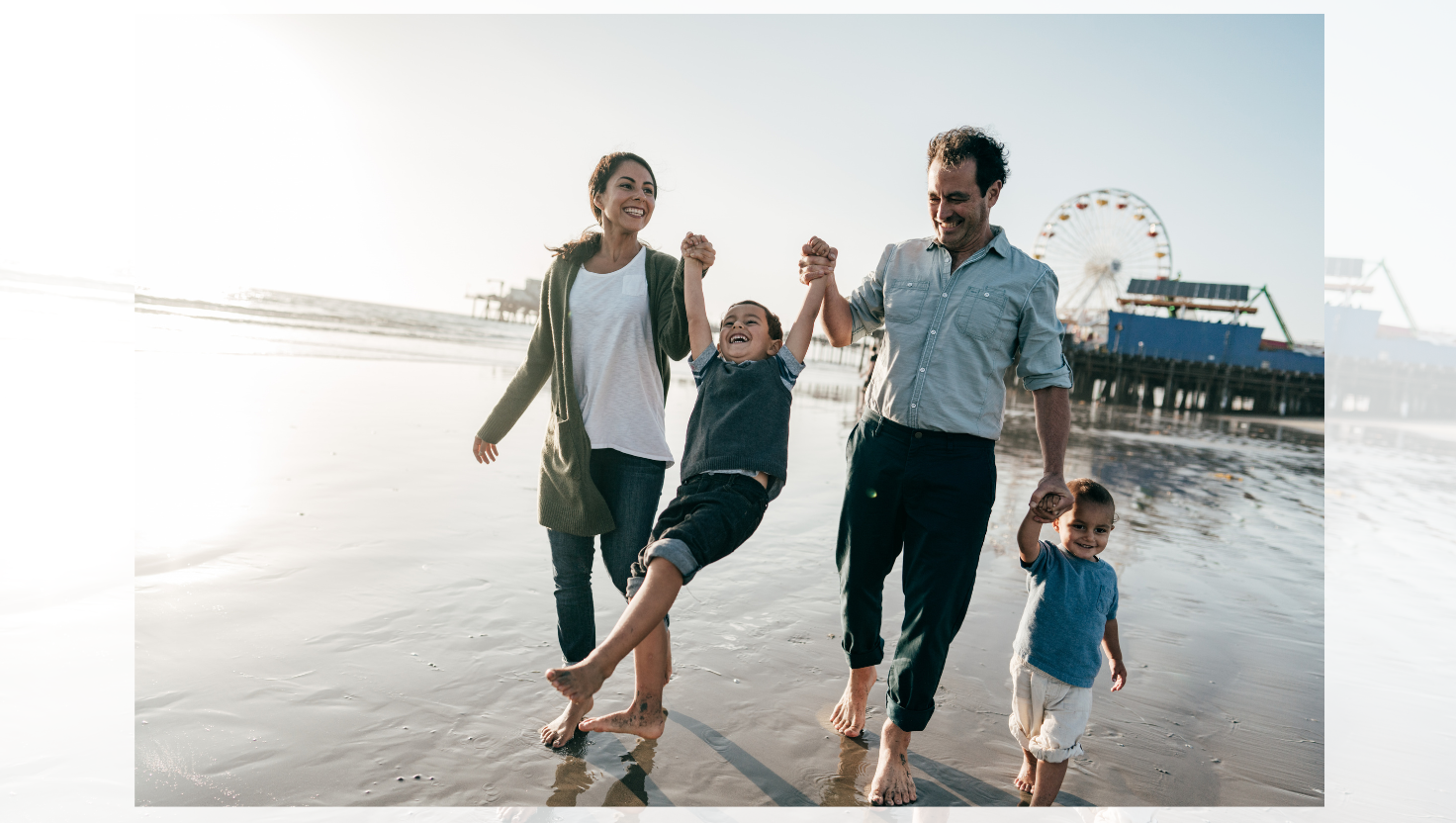 Thoughtful planning helps create genuinely enjoyable experiences for everyone whilst balancing adventure, comfort, and children’s requirements. This changes potentially stressful journeys into memorable family adventures.
- Choosing Child-Friendly Destinations
Choosing locations offering appropriate activities, solid safety standards, and facilities suited to various ages prevents numerous potential problems. Beach destinations work brilliantly for younger children who need safe spaces to expend energy, whilst older kids appreciate destinations combining relaxation with adventure opportunities. Families booking Caribbean holidays benefit from resorts designed specifically for multigenerational travel, offering kids’ clubs, shallow swimming areas, and organised activities that give parents occasional breathing space. Researching facilities beforehand, like medical services, supermarkets for familiar foods, and accommodation with sufficient space, prevents mid-trip scrambles.
- Planning Around Routines
Building schedules respecting established sleep patterns, meal times, and quiet periods reduces stress for everyone involved. Young children particularly struggle when routines collapse entirely, leading to overtired meltdowns that derail entire days. According to recent family travel statistics, 85% of families are very likely to travel with children in the next year, showing widespread commitment despite logistical challenges. Smart parents plan major activities for mornings when children are freshest, schedule midday breaks coinciding with nap times, and keep evening activities low-key. Accepting that holiday schedules won’t mirror home routines exactly, whilst maintaining core elements like bedtime rituals, strikes the right balance between flexibility and stability.
- Packing Smart for All Ages
Bringing essential items, entertainment options, and backup supplies helps manage unexpected situations without panic. Besides obvious necessities like medications and appropriate clothing, experienced parents pack comfort items (favourite stuffed animals, familiar blankets), multiple entertainment options for different moods (books, tablets loaded with films, colouring supplies), and considerably more snacks than seem necessary. Small children need nappy bags stocked beyond reasonable expectation, whilst older kids need chargers, headphones, and their own small backpacks promoting independence. Include basic first aid supplies, motion sickness remedies, and familiar breakfast cereals; small comforts preventing major difficulties.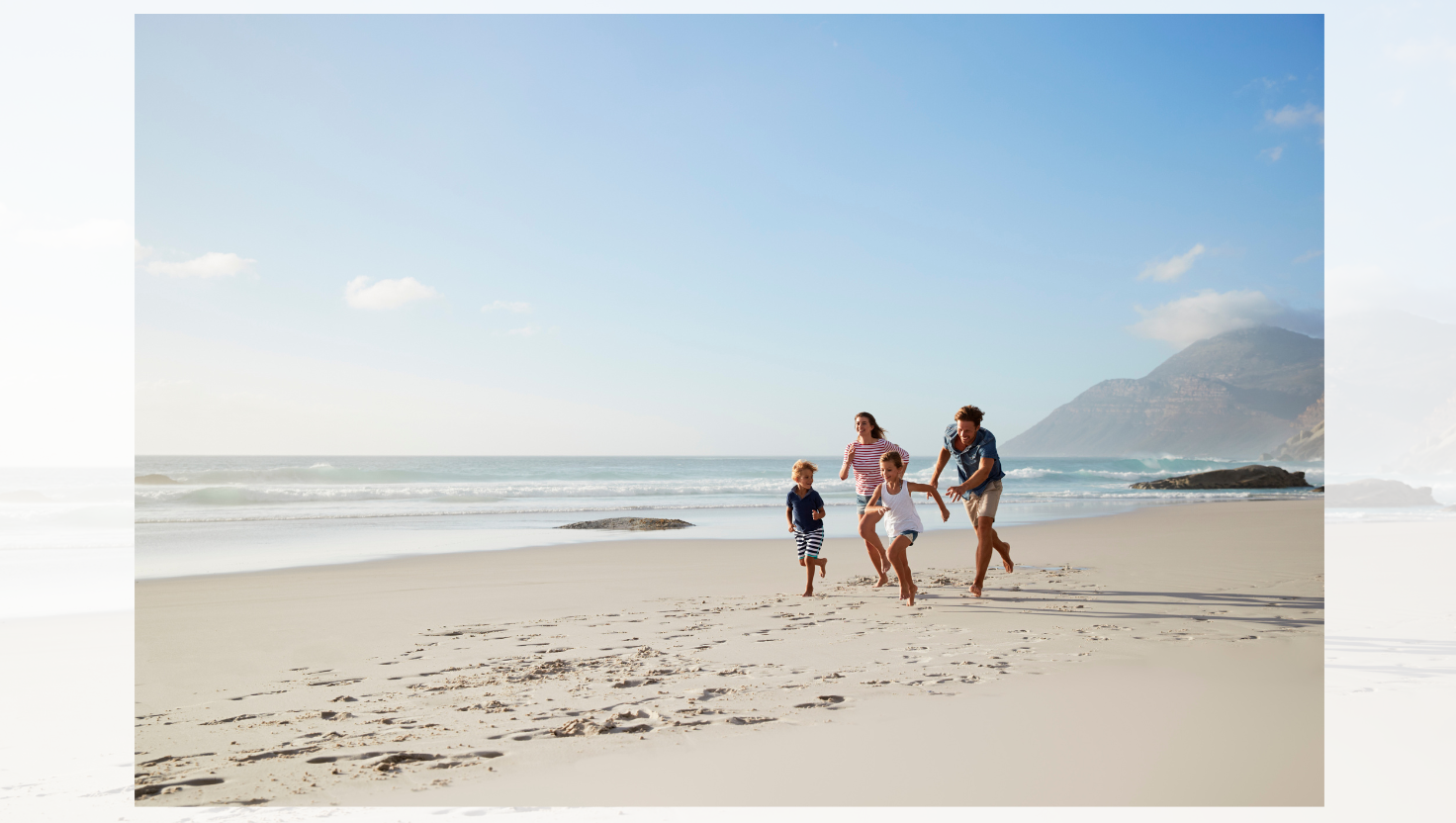
- Managing Travel Days Calmly
Breaking journeys into manageable segments and allowing generous time buffers keeps children relaxed and engaged throughout. Rushing through airports or motorway services whilst herding tired children guarantees misery. Build in extra time for toilet stops, snack breaks, and inevitable slowdowns. Long flights benefit from pre-booked seats together, surprise small toys revealed hourly, and realistic expectations about screen time. Frame travel days as adventures themselves instead of annoying obstacles between home and holiday.
- Balancing Fun and Rest
Mixing sightseeing with substantial downtime prevents exhaustion and maintains trip enjoyment. Overpacking itineraries with activities sounds impressive but creates overtired, cranky children who remember nothing positive. Schedule a maximum of one major activity daily, returning to accommodation for quiet afternoon periods. Swimming pools, beaches, or simply reading books in air-conditioned rooms provide essential recovery time, allowing everyone to genuinely enjoy planned activities.
Big family trips succeed through realistic planning that prioritises children’s needs alongside adult desires for exploration. When choosing appropriate destinations, respecting routines, packing comprehensively, managing travel days sensibly, and balancing activity with rest, parents create holidays remembered fondly rather than endured stressfully.