


MORE than 50 families in Ashton-under-Lyne have received direct financial support through a community-led initiative run in partnership with Ashton Central Mosque.
In just one month, the mosque helped distribute £7,900 in Zakat to 56 Muslim families facing financial hardship, working alongside UK charity the National Zakat Foundation (NZF).
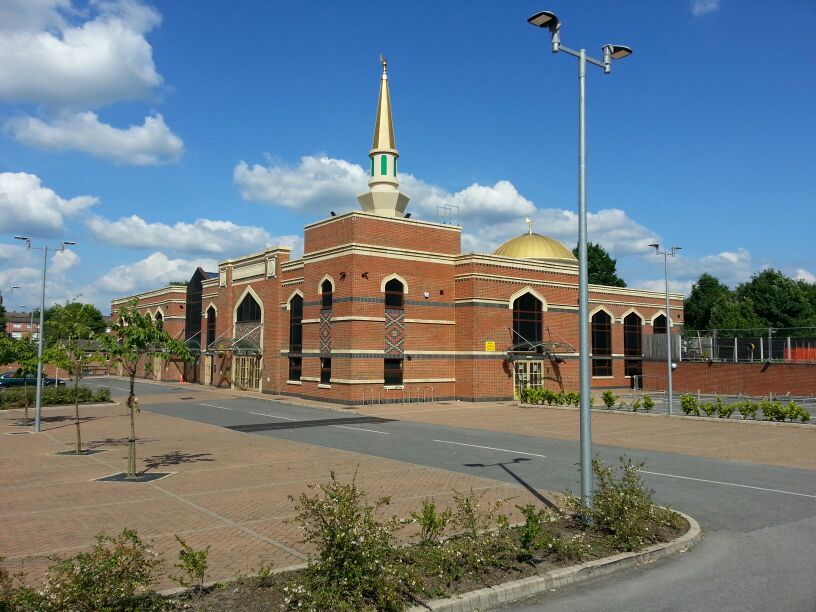
The scheme operates at a neighbourhood level, with Ashton Central Mosque acting as a Community Zakat Hub. This allows people in need to access support face-to-face, rather than relying solely on online applications.
Mosque representatives say the local approach has helped ensure assistance reaches people quickly and with dignity, particularly those who may struggle with digital systems or complex forms.
Feedback from recipients has been overwhelmingly positive. One person said: “This initiative is very helpful, and the entire process was detailed and all the concerns/issues were heard completely and provided help, as necessary. Thank you so much.”
Another added: “Thank you for your kind treatment of me and your concern. You were at the peak of ethics. May Allah reward you with all good for what you have provided us and put it in the balance of your good deeds.”
Dr Sohail Hanif, CEO of the National Zakat Foundation, said the programme is designed to strengthen local support networks by working directly with mosques and community organisations.
“Our Community Zakat in Action works to strengthen local connections across the UK and focuses on localised distribution of Zakat through community-based hubs. This empowers grassroots organisations such as mosques, charities, and community centres to provide swift, dignified support to Muslims in need,” he said.
Dr Hanif added: “By decentralising the process, we aim to simplify the process for individuals who find online applications challenging and provide immediate financial relief to those experiencing hardship.
“We also want to encourage recipients to engage with wider community services for holistic support and strengthen the sense of belonging within local Muslim communities.”
Explaining why the local model is important, Dr Hanif said there were “three key points as to why local distribution matters within communities”.
“The first being that it fosters faith and community spirit, by receiving Zakat from their local mosque or community centre, those helped can discover and benefit from wider support services. This enriches their faith and personal well-being,” he said.
“Secondly, it helps to build strong ties by encouraging community members to connect with one another, fostering mutual support and a shared sense of responsibility.
“It also helps those in need to be helped with both dignity and speed. The personal, localised approach enables Zakat to be distributed faster and in a more dignified and respectful manner.”
Ashton Central Mosque continues to act as a local access point for residents seeking support, with the partnership highlighting the role community spaces can play in responding to cost-of-living pressures at a neighbourhood level.